
The Biscuit Factories
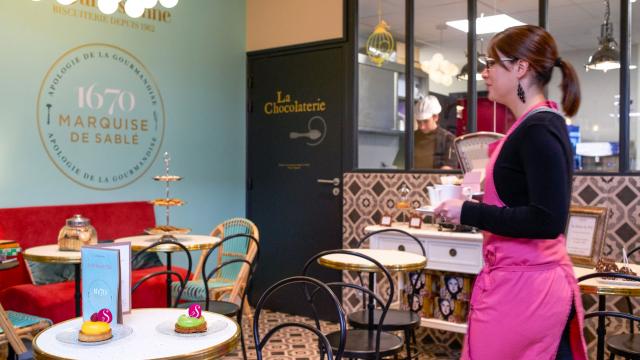
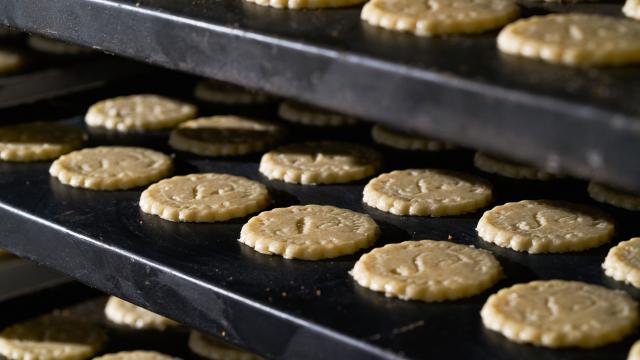
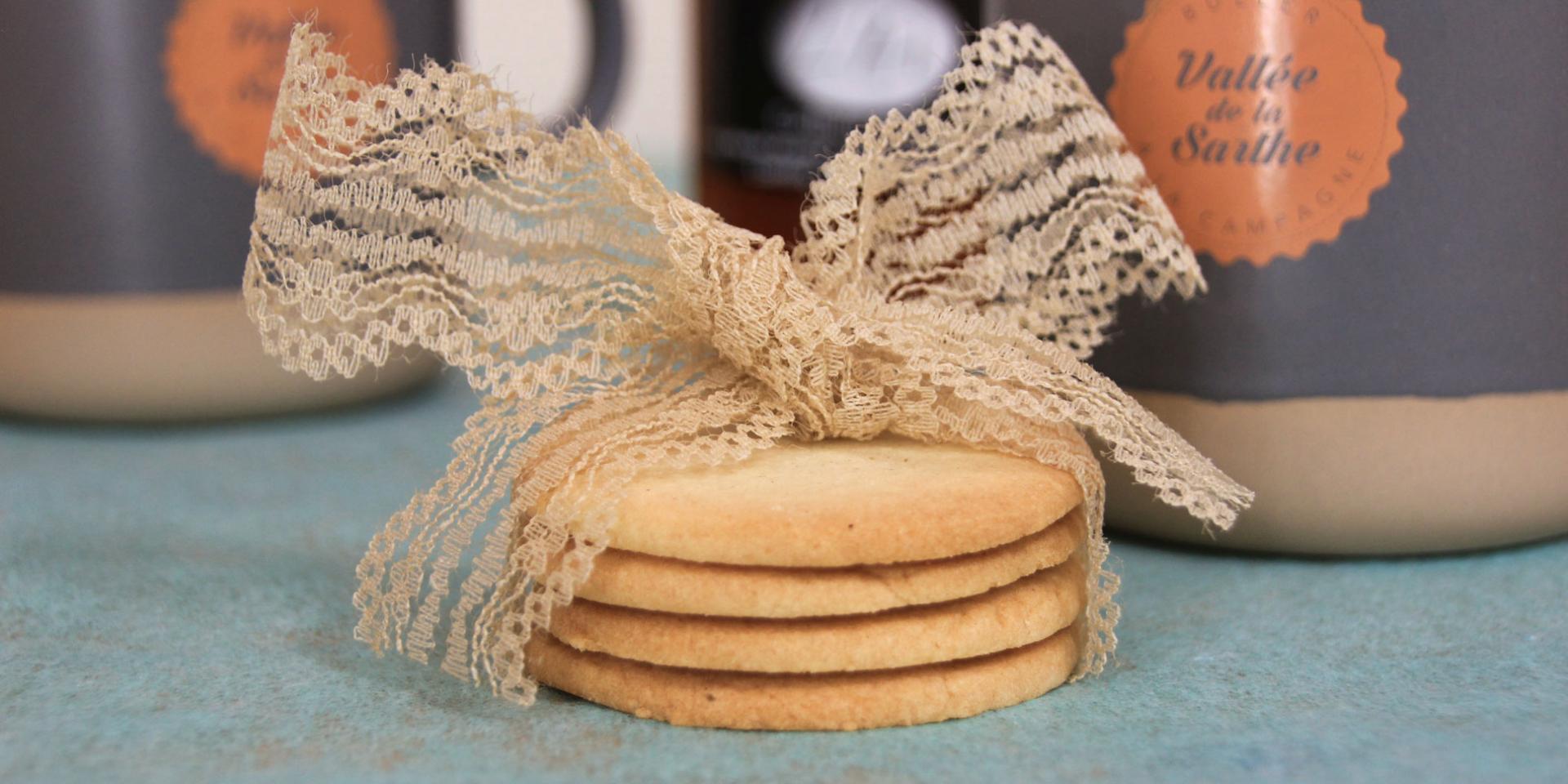
While you’re exploring the town centre of Sablé-sur-Sarthe, you can’t miss the two huge Petit Sablé “Maisons”, la Maison Drans and the Biscuiterie La Sablesienne. At these two local institutions you can taste and buy the famous shortbread biscuits, and a whole range of other products! Each biscuit factory has developed a wide range of biscuits and meringues, plain or with various flavours. Each shop has been designed with great care and attention, good taste and finesse, producing an impressive result…
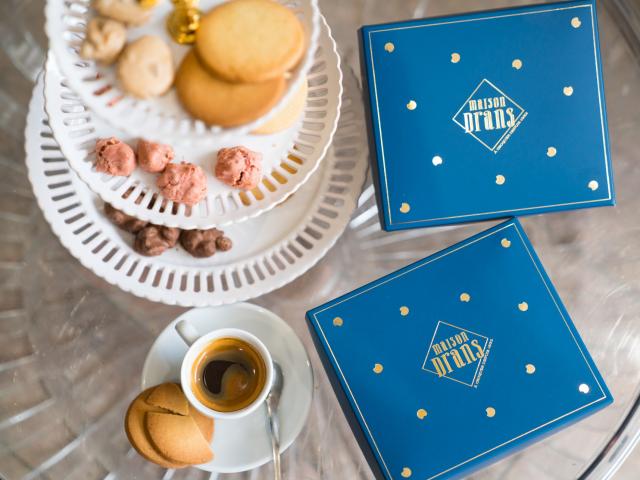
Sarthe valley Cookie House Drans Cookies and coffee boxes
|
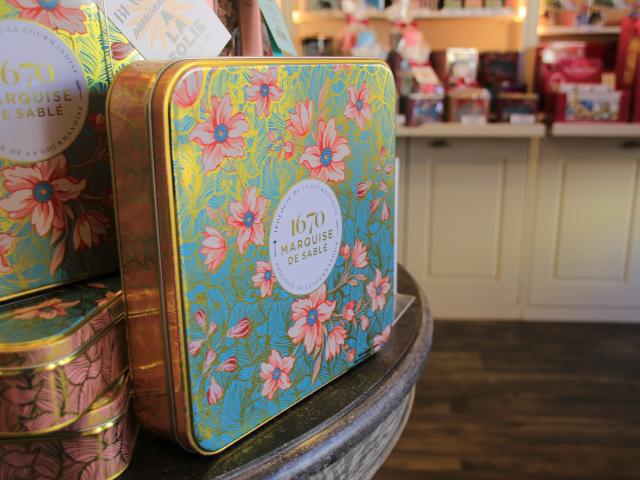
Sarthe valley La Sablésienne Small box of cookies
|